After you decide on the subject of your website, the next step is to choose domain name and domain extension. All my domain are .com domains and for vast majority of websites .com is the best extension. Domain name is important. You would want domain's name that is easy to remember and easy to spell. Ideally, it should be no more than 3 words and no longer than 15 characters, not counting the extension. The shorter name is better than longer name. You would want domain name to reflect subject of your website. Many good short domain names are already taken, so to find good domain name may not be an easy task. It is helpful to get some keywords into your domain name, even more so if you are planning to get paid traffic.
Another approach would be to choose one or two short words, that would be unique and easy to remember. I would suggest, that you create a list of domain names, that you like and check, what names on that list. if any is available. I buy my domains from GoDaddy and they have domain name generator, that tells me what similar names are available, if one I am searching for is already taken but you can use any domain name Registrar that you like.
If all good short domain names are already taken, should you buy good domain from current domain's owner? That is not an easy question to answer. If you want to start blog just because you like to blog, I would say no, but if the main purpose of your website is to to get customers for your business or monetize your website in some other way, I would say probably yes, if the asking price is not too high. Godaddy and Sedo are two good places if you want to buy domain from its current owner.
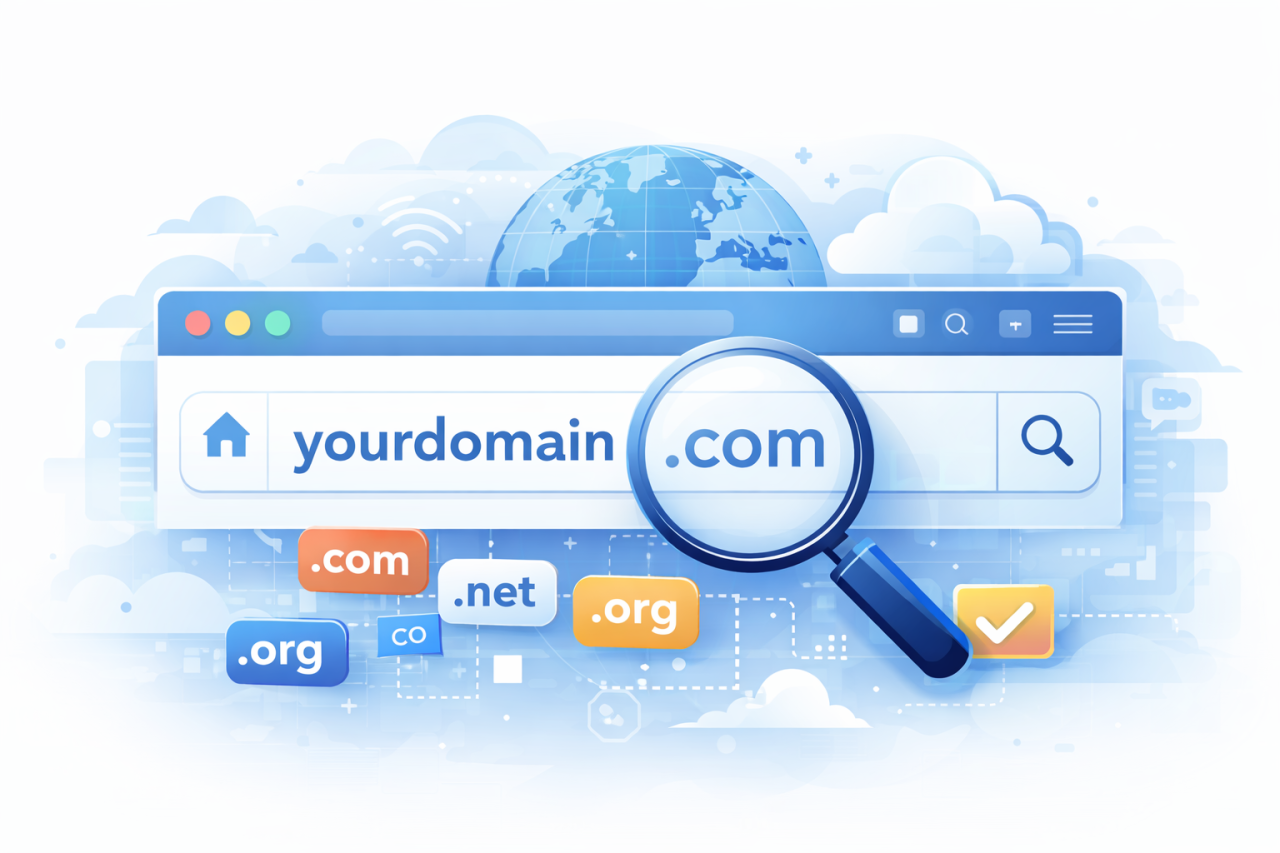
Choosing a domain name is one of the most important early decisions when creating a website. Your domain represents your brand, affects credibility, and can even influence how easily people find and remember your site.
A good domain name should be simple, relevant, and future-proof.
Keep It Short, Simple, and Memorable
Short domain names are easier to type, easier to remember, and less likely to be mistyped. Ideally, your domain should be under 15 characters and easy to pronounce when spoken out loud.
Avoid:
-
Hyphens
-
Numbers
-
Unusual spellings
If someone hears your domain once, they should be able to type it correctly without asking for clarification.
Use Keywords Carefully
Including a keyword related to your website’s topic can help visitors instantly understand what your site is about. For example, a web development or hosting-related site might include words like web, dev, hosting, or digital.
That said, don’t force keywords unnaturally. A clear and brandable name is always better than a long, keyword-stuffed domain.
Good balance:
Brandable + descriptive
Not spammy or overly generic
Choose the Right Domain Extension
For most websites, .com is still the best option. It’s widely recognized and trusted, especially for businesses and professional websites.
Other extensions can make sense in certain cases:
-
.net – technology or network-related projects
-
.org – organizations, communities, non-profits
-
.co – startups and modern brands
-
Country-specific TLDs – if your business targets a specific country
If possible, secure the .com version even if you plan to use another extension.
Make Sure It Fits Your Long-Term Goals
Your domain name should still make sense years from now. Avoid names that are too specific if you plan to expand your services later.
For example:
-
A name focused only on “blog” may limit you if you later add services
-
A regional name may feel restrictive if you expand internationally
Think long-term, not just about the initial launch.
Check Availability and Trademarks
Before registering a domain:
-
Make sure it’s not already in use
-
Check for existing trademarks or well-known brands with similar names
-
Verify that matching social media handles are available (if branding matters)
This helps avoid legal issues and branding confusion later.
Register Your Domain Securely
Once you’ve chosen a domain name, register it through a reputable domain registrar. Enable:
-
Domain privacy protection
-
Auto-renewal
-
Secure DNS settings
These small steps help protect your domain from misuse or accidental expiration.
Final Thoughts
A strong domain name builds trust, supports your brand, and makes your website easier to grow. Take the time to choose wisely — changing a domain later can be costly and disruptive.
If you’re unsure, shortlist a few options, say them out loud, and imagine them on business cards, emails, and marketing materials. The best choice often becomes obvious.